
Most growing Indian businesses run on a fragile network of spreadsheets. Inventory logs, customer follow-ups, vendor quotes, and dispatch timelines are meticulously typed into separate rows and columns. It feels free and under control.
This setup works fine until your transaction volumes double or your team expands. Suddenly, a formula breaks, a salesperson quotes an outdated price, and an order gets dropped. The reality is that businesses still using excel are losing growth opportunities to competitors who run on integrated automated systems.
Excel was built for static calculations, not for managing real-time business operations. Relying on manual sheets introduces invisible operational friction that caps your ability to scale.
https://www.phocassoftware.com/resources/blog/why-spreadsheet-excel-reporting-is-killing-your-business: Why Businesses Still Using Excel Are Losing Growth Opportunities1. The Cost of Manual Data Entry Errors
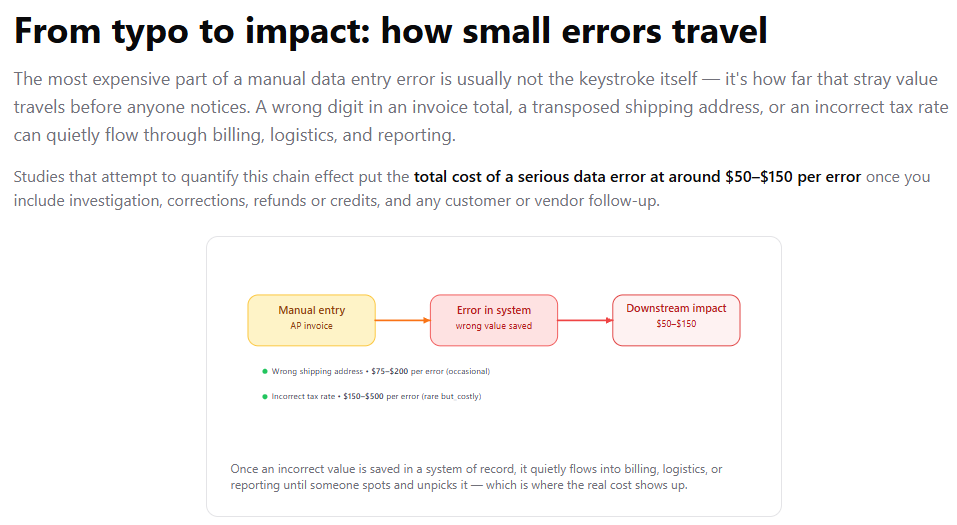
Human error is inevitable. Even experienced operators make mistakes on roughly 1% to 4% of manual data entries. In a busy office, those tiny typos quickly compound.
A simple typing mistake, like entering 1,530 instead of 1,350, instantly ruins profit margins on a bulk order. In a spreadsheet, that error stays hidden until your month-end reconciliation. By then, the goods have left your warehouse, the invoice is processed, and the money is gone.
Finding and fixing these spreadsheet mistakes takes hours of comparing files and arguing over versions. This manual rework keeps your team stuck in administrative loops instead of focusing on sales.
2. Disconnected Operations and Data Silos
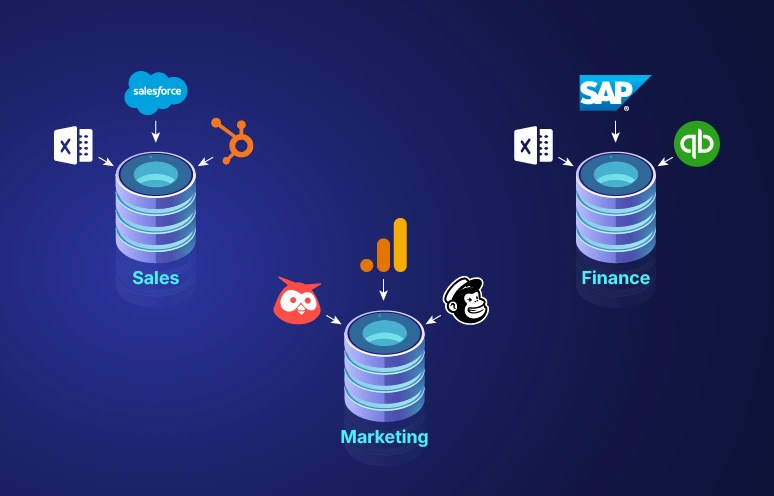
When your data lives in isolated spreadsheets, departments work blindly. Sales updates leads on a local sheet, the warehouse tracks stock on a desktop file, and accounts waits for manual exports.
If your sales team closes a large order based on an outdated inventory sheet, they promise a timeline you cannot meet. Your production team only finds out about the stock shortage days later. The resulting delay damages your reputation and forces you to pay expedited shipping charges.
Moving from scattered sheets to a unified CRM implementation ensures everyone sees the same data instantly. When a sale happens, stock levels adjust automatically and production receives a direct alert.
3. Slow and Blind Decision-Making
Growth requires speed. If you have to wait until the first week of next month to see the previous month’s profitability, you are running your company blind.
Compiling reports from multiple spreadsheets is a slow process. Managers must download sheets, fix broken reference links, and clean up conflicting formats. By the time this report reaches your desk, market conditions have already shifted.
While your team spends days consolidating rows, competitors using business process automation look at live dashboards. They see which products move, where cash flow is thinning, and adjust their strategy in minutes.
https://www.mckinsey.com/capabilities/people-and-organizational-performance/our-insights/the-organization-blog/reimagine-decision-making-to-improve-speed-and-quality: Why Businesses Still Using Excel Are Losing Growth Opportunities4. Compliance and Security Risks
Indian compliance rules are strict. With automated e-invoicing thresholds under GST and tight tax timelines, running a business on manual data entry is a major legal risk.
Spreadsheets do not natively support multi-slab GST calculations or automatic e-way bill generation. If your staff copies an incorrect tax rate or an old HSN code, the error flows directly into your tax filings, leading to penalties.
Furthermore, Excel files offer zero data security. Anyone can copy your entire client list to a thumb drive or accidentally delete historical records. There is no audit trail to show who changed a figure, making internal fraud tough to spot. Modern custom business management software solves this with role-based access control.
5. Poor Customer Service
Customers expect instant answers. When a client calls to check their order status or outstanding balance, they will not wait for a callback.
If your support agent has to open three different spreadsheets to find the shipping log and payment status, your service quality drops. In a fast-moving market, slow communication loses clients.
Transitioning to automated communication bridges this gap. Using tools like Flow WhatsApp Automation allows your system to send instant order confirmations, delivery updates, and ledger balances directly to the customer’s phone without human effort.
What to Do This Week: Next Steps
You do not need to replace your entire operational setup overnight. A sudden migration creates chaos. Instead, take a staged approach:
- Pick one bottleneck: Find the single spreadsheet that causes the most arguments or delays this week—usually inventory or sales leads.
- Map the process: Document who edits this sheet, where the data comes from, and where it goes. Strip out unnecessary columns.
- Run a pilot: Move that single process into a focused digital tool or simple database. Run the old spreadsheet in parallel for two weeks to verify accuracy, then shut it down permanently.
- Train the users: Get the staff who do the daily data entry involved early. If the new tool makes their workday easier, adoption is guaranteed.
Final Thoughts
Excel is an excellent tool for quick calculations, but it is not an operating system for a scaling business. Every hour your team spends copying data between rows is an hour stolen from growing your company. Real efficiency happens when your software works for you, automating administrative work and giving you clean data to make decisions.
https://aqibmanzoor.dev/blog-why-excel-is-killing-your-business-growth.html
Frequently Asked Questions
Is shifting away from Excel expensive for small businesses?
No. Modern cloud software options allow you to digitize in affordable stages. the cost of manual entry errors, lost inventory, and missed sales follow-ups is far higher than investing in structured software.
Our staff is not tech-savvy. Can they handle automation?
Yes. Most modern business software uses simple interfaces that are as easy to navigate as standard mobile messaging apps. If your team can use WhatsApp, they can learn a tailored business application with a few hours of training.
Can custom business software connect with Tally?
Yes. Modern custom systems connect directly with standard accounting platforms like Tally via APIs. Your operational data flows into your accounting ecosystem automatically without any double entry.
How does moving away from spreadsheets increase sales?
When leads sit in Excel, sales reps forget to follow up, mix up client notes, or lose track of conversations. A structured CRM system ensures every lead gets routed instantly and follow-up alerts are automated.
Why choose custom software over ready-made apps?
Ready-made apps often force you to change your unique business processes to fit their rigid layout. A custom solution fits your existing workflows perfectly and scales naturally as you grow.
If manual data entry errors and broken formulas are slowing your company down, explore our Business Automation Services or Book a Free Consultation with NeerSoft Technology to streamline your workflows.