If your sales team spends hours calling leads but struggles to track conversations, follow-ups, or conversions, the problem may not be your salespeople – it may be your process.
Telemarketing continues to be one of the most effective ways to generate leads and close sales in India. However, the way businesses approach telemarketing has changed significantly.
Instead of manually dialing numbers and maintaining spreadsheets, successful companies now combine telemarketing with AI-powered CRM software to improve productivity, personalize conversations, and stay compliant with regulations.
This guide explains what telemarketing is, its different types, how it works, the rules businesses should follow in India, and why CRM has become an essential tool for every modern sales team.
What is Telemarketing?
Telemarketing is the process of contacting potential or existing customers over the phone to promote products or services, generate leads, schedule appointments, conduct surveys, provide customer support, or close sales.
Unlike traditional cold calling, modern telemarketing uses customer data, CRM software, and AI-powered automation to make every conversation more relevant and effective.
Quick Definition
Telemarketing is a direct marketing method where businesses communicate with customers over the phone to generate sales opportunities and strengthen customer relationships.
How Does Telemarketing Work?
A successful telemarketing campaign follows a structured workflow.
- Lead Generated
- Lead Added to CRM
- Lead Assigned to Sales Executive
- Phone Call Made
- Customer Response Recorded
- Follow-up Scheduled
- Deal Closed or Lead Nurtured
Using CRM software ensures every interaction is recorded, making follow-ups easier and reducing missed opportunities.
Types of Telemarketing
Inbound Telemarketing
Inbound telemarketing occurs when customers contact your business after seeing an advertisement, website, social media campaign, or online listing.
Common examples include:
- Product enquiries
- Customer support
- Appointment booking
- Order placement
- Service requests
Since customers initiate the conversation, inbound calls often have higher conversion rates.
Outbound Telemarketing
Outbound telemarketing involves calling potential customers to introduce products or services.
Businesses commonly use outbound telemarketing for:
- Lead generation
- Appointment booking
- Product promotion
- Customer follow-ups
- Reactivating inactive customers
B2B Telemarketing
Business-to-Business (B2B) telemarketing targets companies instead of individual consumers.
Common industries include:
- SaaS
- Manufacturing
- IT Services
- Consulting
- Industrial Equipment
B2B sales usually require multiple conversations before closing a deal.
B2C Telemarketing
Business-to-Consumer (B2C) telemarketing focuses on individual customers.
Industries commonly using B2C telemarketing include:
- Banking
- Insurance
- Healthcare
- Retail
- Education
- Telecom
Warm Calling
Warm calling means contacting prospects who have already interacted with your business by downloading a brochure, requesting a demo, attending a webinar, or submitting an enquiry.
These leads are generally easier to convert.
Cold Calling
Cold calling involves contacting prospects who have never interacted with your business before.
While more challenging, cold calling can still generate quality opportunities when supported by accurate data and personalized conversations.
Telemarketing vs Telesales
Although often confused, telemarketing and telesales serve different purposes.
| Feature | Telemarketing | Telesales |
|---|---|---|
| Objective | Generate interest | Close sales |
| Focus | Lead generation | Revenue generation |
| Sales Stage | Early | Final |
| Activities | Calls, surveys, appointments | Selling products and services |
| Success Metric | Qualified leads | Deals closed |
Telemarketing vs Field Sales
| Feature | Telemarketing | Field Sales |
|---|---|---|
| Customer Interaction | Phone | Face-to-face |
| Cost | Lower | Higher |
| Speed | Faster | Slower |
| Travel | Not Required | Required |
| Reach | Nationwide | Limited by location |
Benefits of Telemarketing
Telemarketing continues to deliver excellent ROI when executed strategically.
Key advantages include:
- Faster lead generation
- Lower acquisition costs
- Immediate customer feedback
- Better customer engagement
- Appointment scheduling
- Improved customer relationships
- Measurable campaign performance
- Nationwide reach
- Higher sales opportunities
Challenges of Telemarketing
Businesses should also be aware of common challenges.
These include:
- Customer rejection
- Spam perception
- Poor-quality lead lists
- Compliance requirements
- Manual follow-up management
- Inconsistent customer records
Fortunately, most of these challenges can be minimized with a well-implemented CRM system.
Telemarketing Rules in India (2026)
Businesses conducting telemarketing should follow applicable regulations and customer privacy requirements.
Some essential practices include:
- Respect customer consent.
- Honor opt-out requests immediately.
- Follow TRAI regulations for commercial communications.
- Maintain accurate customer records.
- Avoid repeated promotional calls to uninterested customers.
- Secure customer information.
- Use registered communication channels where applicable.
Keeping your telemarketing practices compliant not only reduces legal risks but also builds customer trust.
Common Telemarketing Mistakes
Many businesses lose opportunities because of avoidable mistakes.
Common examples include:
- Calling without researching the prospect
- Using the same script for everyone
- Forgetting follow-ups
- Not recording previous conversations
- Calling the same customer repeatedly
- Managing leads only in Excel
- Ignoring customer objections
- Tracking performance manually
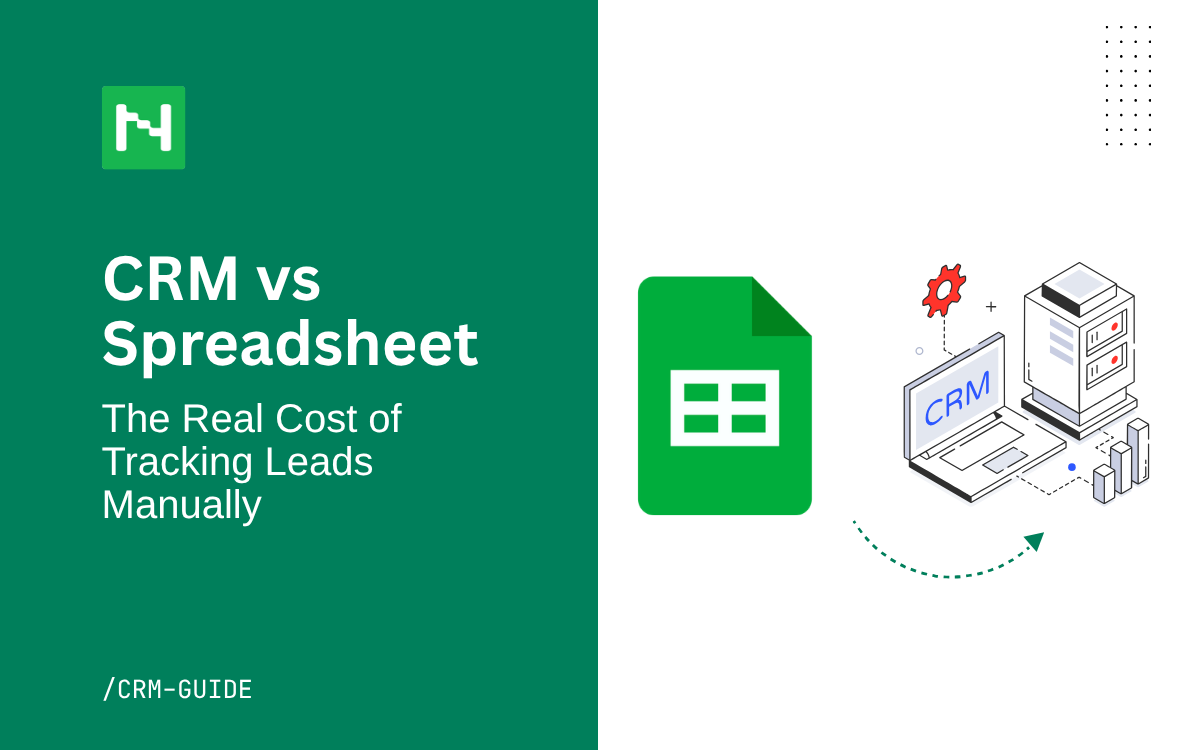
Why Excel Is No Longer Enough
Spreadsheets work for a small number of leads, but they become difficult to manage as your business grows.
Common problems include:
- Duplicate records
- Lost customer information
- No activity history
- No automated reminders
- No sales pipeline
- Limited reporting
- Poor collaboration
- No AI automation
Growing businesses eventually move to CRM software to solve these issues.
Why CRM Is Essential for Telemarketing
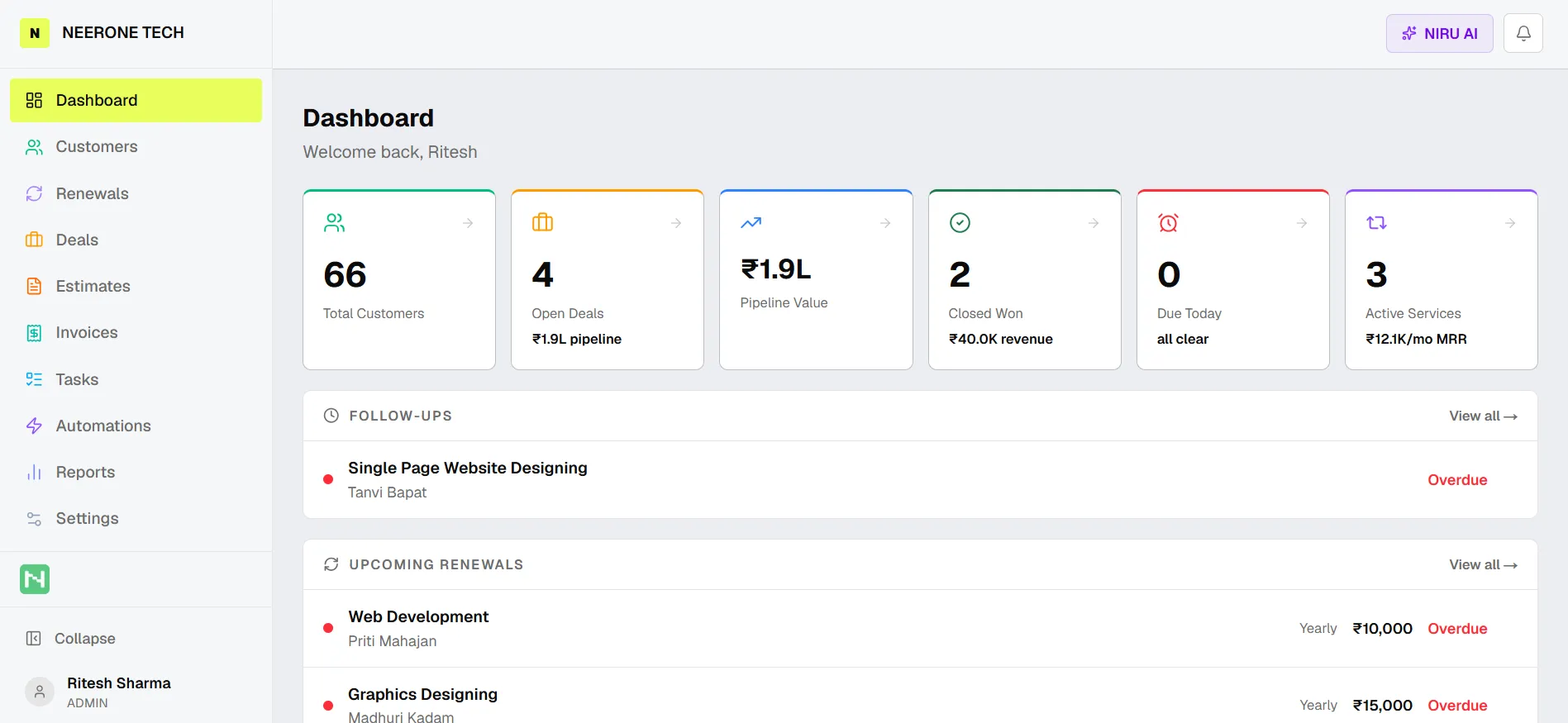
Customer Relationship Management (CRM) software helps businesses organize every customer interaction in one place.
Instead of searching emails or spreadsheets, sales representatives instantly see:
- Customer details
- Previous conversations
- Call history
- Follow-up dates
- Sales stage
- Team notes
A modern Sales CRM also provides:
- Lead management
- AI lead scoring
- Call tracking
- WhatsApp integration
- Email integration
- Task management
- Sales pipeline
- Workflow automation
- Reporting dashboards
Traditional CRM vs AI CRM
| Traditional CRM | AI CRM |
|---|---|
| Manual data entry | Automatic data capture |
| Manual reminders | AI follow-up suggestions |
| Basic reporting | Predictive analytics |
| Static lead lists | AI lead scoring |
| Manual forecasting | AI forecasting |
| Basic automation | Intelligent workflows |
AI-powered CRM helps sales teams spend less time on administration and more time selling.
Features Every Telemarketing CRM Should Have
Before choosing CRM software, make sure it offers:
- Lead management
- Click-to-call
- Call recording
- Follow-up reminders
- Sales pipeline management
- WhatsApp integration
- Email integration
- Mobile application
- AI sales automation
- Custom reports
- Role-based permissions
- Workflow automation
How to Choose the Right CRM
Consider Your Business Size
Choose software that matches your current team while allowing future growth.
Look for AI Features
Modern CRM platforms should include:
- AI lead scoring
- Smart reminders
- Sales forecasting
- Conversation summaries
Check Integrations
Your CRM should integrate with:
- Website forms
- Calling software
- Accounting software
Evaluate Ease of Use
Sales teams should be able to start using the CRM without extensive training.
Review Customer Support
Reliable onboarding and support can significantly improve adoption.
Best CRM Software for Telemarketing in India
| CRM | Best For | AI Features | Free Trial |
|---|---|---|---|
| NeerSoft CRM | SMEs & Startups | AI follow-ups, lead automation | Yes |
| Zoho CRM | Growing businesses | Zia AI | Yes |
| Salesforce | Enterprises | Einstein AI | Yes |
| HubSpot CRM | Marketing teams | AI content & sales assistance | Yes |
| Freshsales | Sales teams | Freddy AI | Yes |
| Pipedrive | Small businesses | AI sales insights | Yes |
Features, pricing, and availability may change over time. Always verify the latest information on each vendor’s official website.
Guide: Learn what is CRM and how it help small businesses.
Industries That Benefit Most from Telemarketing
Telemarketing delivers strong results across many sectors.
Popular industries include:
- Real Estate
- Insurance
- Healthcare
- Banking
- Financial Services
- SaaS
- Manufacturing
- Education
- Travel
- Recruitment
- Digital Marketing Agencies
Future of Telemarketing in India
Telemarketing is becoming smarter with AI rather than disappearing.
Businesses are increasingly adopting:
- AI-powered call summaries
- Predictive lead scoring
- Voice analytics
- Intelligent follow-up reminders
- Omnichannel communication
- AI sales automation
- CRM-driven insights
Companies combining human conversations with AI-powered CRM software are likely to achieve better customer experiences and higher conversion rates.
Final Thoughts
Telemarketing remains one of the most effective methods for generating leads and building customer relationships. However, success depends on more than making phone calls. Businesses need organized lead management, timely follow-ups, compliance with regulations, and complete visibility into every customer interaction.
By combining telemarketing with a modern AI-powered CRM, Indian businesses can improve productivity, reduce manual work, increase conversion rates, and create a more personalized customer experience.
Frequently Asked Questions (FAQs)
Is telemarketing legal in India?
Yes. Telemarketing is legal when businesses follow applicable TRAI regulations, respect customer consent, honor opt-out requests, and comply with relevant data privacy requirements.
What is the difference between telemarketing and cold calling?
Cold calling is one type of telemarketing where businesses contact prospects with no previous interaction. Telemarketing is a broader practice that also includes inbound calls, follow-ups, surveys, appointment booking, and customer support.
Why is CRM important for telemarketing?
CRM software centralizes customer information, automates follow-ups, tracks call history, improves lead management, and helps sales teams close more deals efficiently.
Can AI improve telemarketing performance?
Yes. AI-powered CRM systems can prioritize leads, recommend the next best action, summarize conversations, automate repetitive tasks, and provide predictive sales insights.
Which businesses should use telemarketing?
Telemarketing works well for real estate companies, insurance providers, SaaS businesses, healthcare organizations, educational institutions, manufacturers, financial service providers, and digital marketing agencies.
What is the best CRM for telemarketing in India?
The best CRM depends on your business size, budget, and requirements. Popular options include NeerSoft CRM, Zoho CRM, Salesforce, HubSpot CRM, Freshsales, and Pipedrive, each offering different AI features, integrations, and pricing.